
/ PROJECTS
Our projects advance regeneration where finance, ecology, and community meet.
RDG works with governments, UN agencies, development finance institutions, NGOs, and landscape partnerships to design programs, structure blended and nature-positive finance, and build the capacity that makes regenerative work fundable and durable.
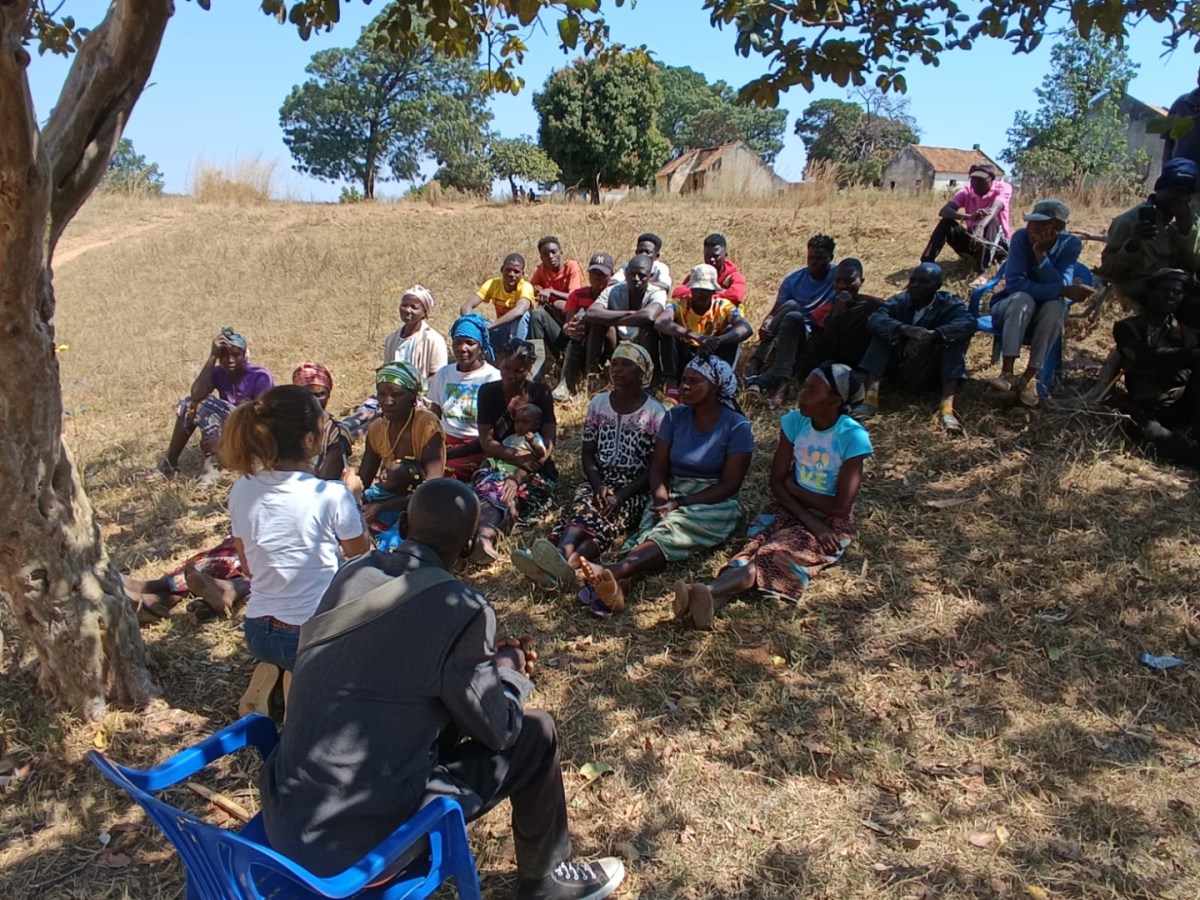
Photo: Extended Central Plateau, Angola
/ OUR PROJECTS
Our work across landscapes, finance, and community.
Programmes, financial mechanisms, evaluations, and technical engagements delivered by RDG and its senior team for governments, UN agencies, development finance institutions, and landscape partnerships — spanning sustainable and nature finance, ecosystem restoration and blue carbon, social and environmental safeguards, and transboundary water governance. The projects below are a curated selection from a much broader portfolio — a snapshot of the depth and range of experience our team brings to every engagement.
 Featured
RDG · Featured project
Ecosystem Restoration in Angola’s Extended Central Plateau
Location: Huambo · Bié · Moxico Provinces, Angola
Client / partners: UNDP · Ministry of Environment, Institute of Biodiversity and Area Conservation (MINAMB/INBC) · Global Environment Facility (GEF-8)
Years: 2023 – ongoing
We designed the flagship child project under the GEF-8 Ecosystem Restoration Integrated Program, submitted for CEO endorsement in 2024. The seven-year, USD 14.4 million GEF grant (USD 121.8 million in co-financing) targets restoration of degraded ecosystems, community-based land and forest management, and sustainable land management across the biodiverse headwaters of the Okavango and Zambezi basins.
The project is structured around four components: enabling policy conditions and inclusive governance for restoration; on-the-ground restoration innovations across five priority sites in the ECP and payment-for-ecosystem-services design in the Kwanza Basin; institutional readiness for large-scale sustainable finance including sustainable bonds, carbon and biodiversity credits, and linked trust funds; and knowledge management and capacity development.
RDG designed three financial mechanisms that together can fund conservation and restoration across the continuum. The project also frames four Communities of Practice — Agriculture, Logistics, Conservation & Restoration, and Carbon — recognizing the critical need for capacity development in Angola, including scoping credible projects to scale and fund.
RDG · Tammy Tullis · Glen Hearns, PhD
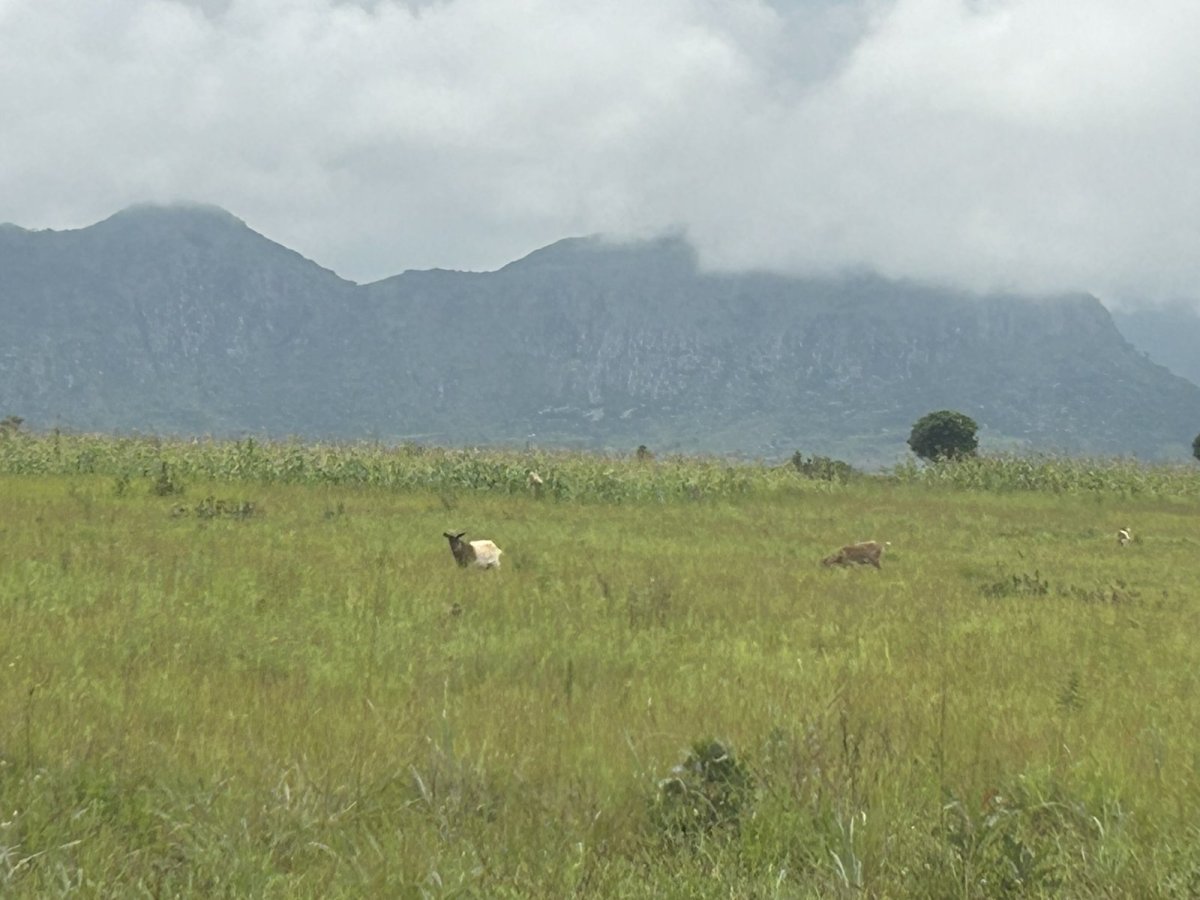
Blended Finance for Nature — Angola
Location: Angola
Builds on: Ecosystem Restoration in Angola’s Extended Central Plateau
Status: Proposal
A blended-finance proposal to stand up a sustainability bond, a conservation trust fund, and a safeguarded payment-for-ecosystem-services facility that mobilize private investment in nature-positive projects while strengthening national capacity, protecting local rights, and creating inclusive livelihoods and economic opportunities in the nature sector. The proposal follows on from, and is intertwined with, the Extended Central Plateau project.
RDG · Neal Spackman
Great Green Wall Frontline Blue-Carbon Feasibility — The Gambia
Years: 2022 – present
Partners: Great Green Wall Frontline · civic.co
A blue-carbon feasibility study identifying 18,000 hectares of potential mangrove restoration on the North Bank of the Gambia River, together with an agroforestry and seawater-agriculture system designed to replace rice farms abandoned to salinization. Delivered with civic.co; Neal continues as an advisor to the Great Green Wall Frontline organization.
Co-designing agroforestry systems with rice farmers in The Gambia.
RDG · Glen Hearns, PhD
Evaluation of Water Security in the GEF Portfolio
Years: 2022 – 2023
Client: GEF Independent Evaluation Office
Scope: Global, with field mission to Burundi
As senior external consultant, Glen reviewed a decade of GEF activities to determine their effectiveness and relevance for water security, interviewing UN agencies, multilateral development banks, and NGOs, and assessing on-the-ground results of GEF-funded projects in Burundi. The report set out recommendations to strengthen water security across GEF programming.
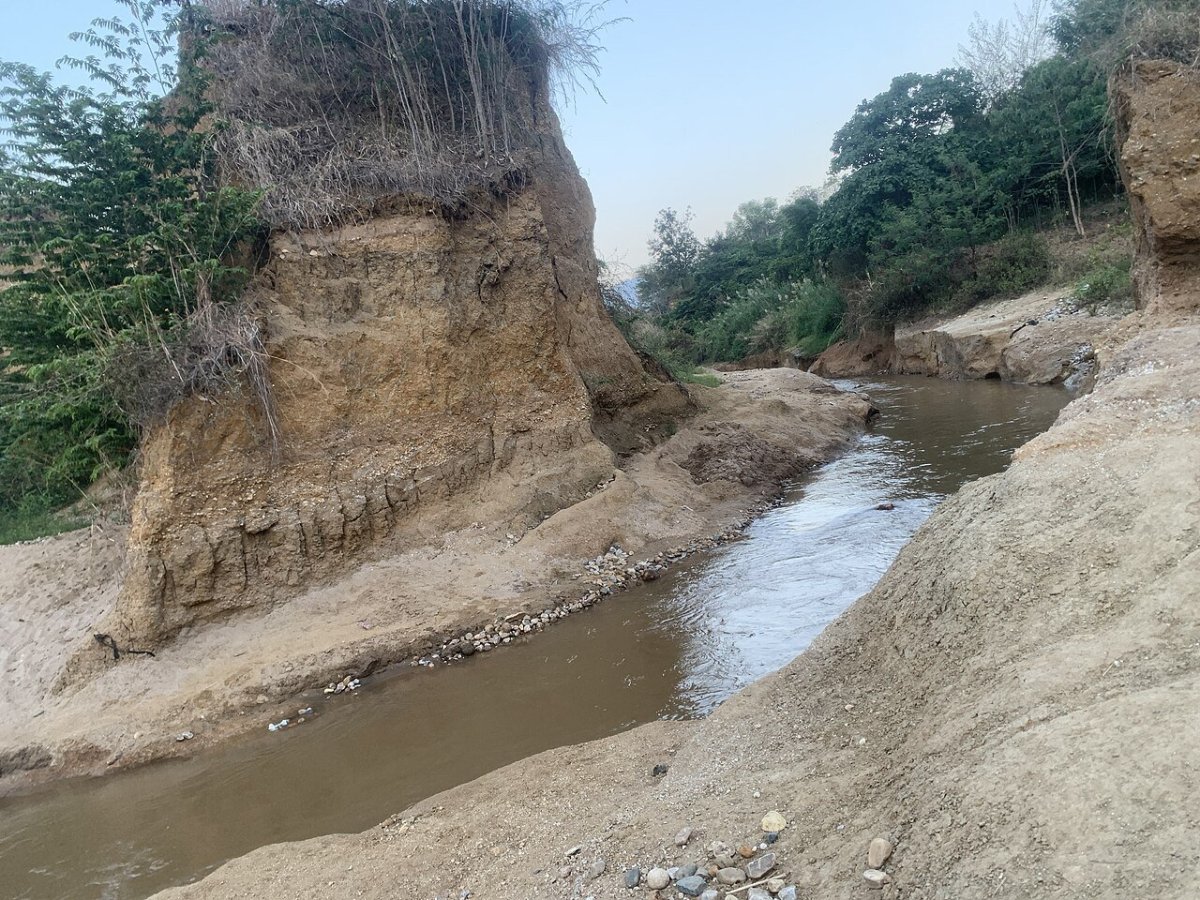
Illustrative photo: river erosion in Burundi. Arakaza chanel, CC0, via Wikimedia Commons.
RDG · Juan Albarracin-Jordan, PhD
Social and Environmental Standards Advisory — UNDP GEF and GCF Portfolio
Years: 2022 – 2025
Client: UNDP Vertical Funds Programme Support, Oversight and Compliance Unit
Regions: Africa · Southeast Asia · Latin America
Oversight and quality assurance of GEF- and GCF-financed projects: integrating social and environmental standards into concept and design, risk identification and management, implementation reviews, and compliance. Juan provided human-rights advisory support on Indigenous peoples, cultural heritage, involuntary resettlement, and community health, safety, and security, and authored UNDP guidance on Environmental and Social Management Frameworks and cultural-heritage risk.
RDG · Neal Spackman
Delgadito Mangrove and Seagrass Restoration — Mexico
Years: 2020 – present
Partners: UNESCO biodiversity credits programme · One Tree Planted · family foundations
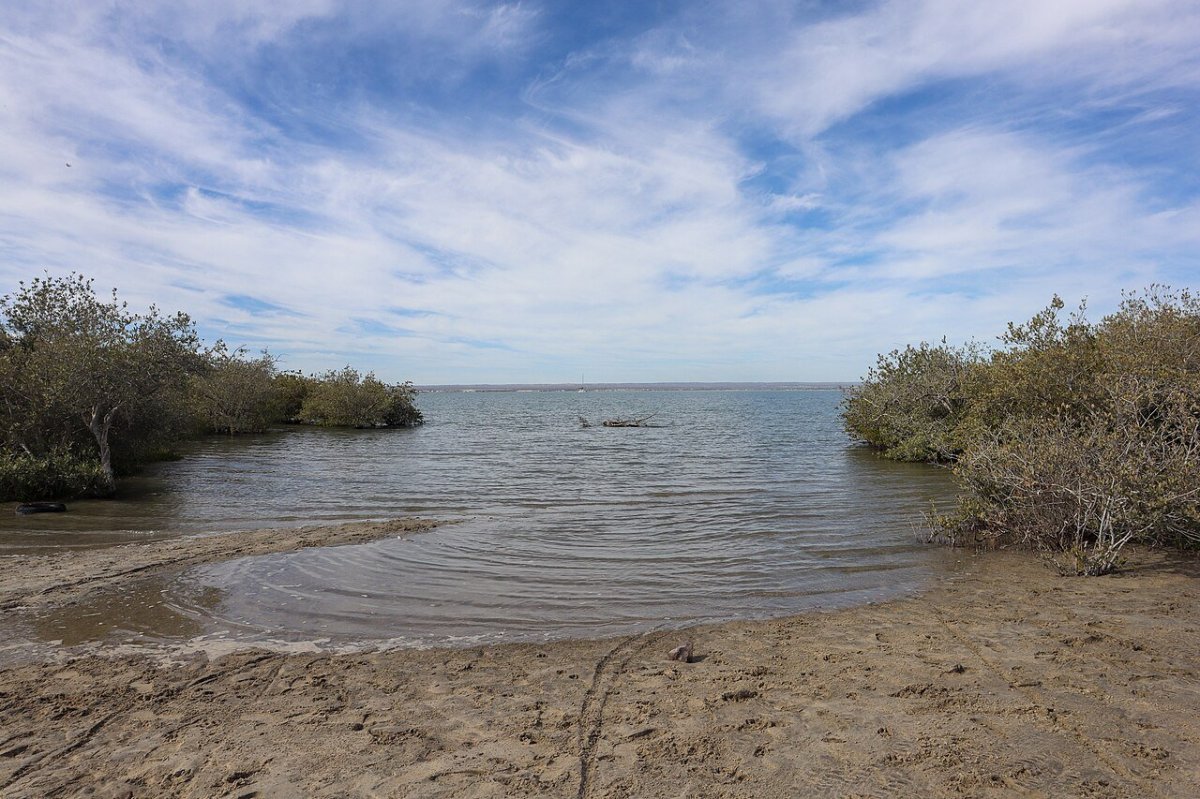
Selected to develop UNESCO’s first biodiversity credits. Neal leads community development, project design, and execution for a programme to restore 8,000 hectares of mangroves and seagrasses, and led fundraising for initial grants and partnerships with family foundations and One Tree Planted. More than 500,000 mangroves have been grown since 2023.
Illustrative photo: mangroves in Baja California Sur. ProtoplasmaKid, CC BY-SA 4.0, via Wikimedia Commons.
RDG · Glen Hearns, PhD
Water and Land Governance and Water Objectives for the Widzin Kwah — Wet’suwet’en First Nation, Canada
Years: 2023 – 2024
Client / partners: Wet’suwet’en First Nation · Province of British Columbia
Location: Widzin Kwah watershed (Morice and upper Bulkley watersheds), British Columbia, Canada
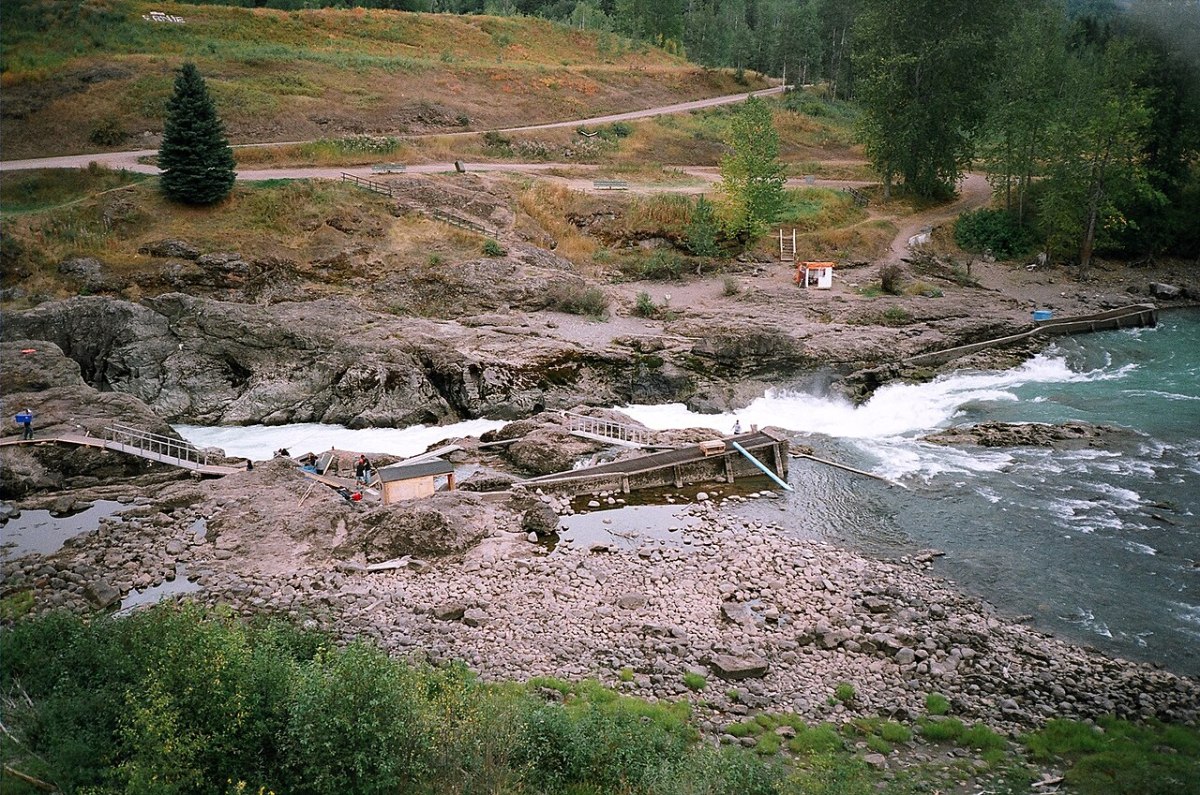
Glen reviewed Wet’suwet’en traditional values and laws on the relationship between the Wet’suwet’en and T’oh (water) and Yintah (land, plants, animals), and their articulation in governance and decision-making. The process included engagement with membership, facilitation of meetings with leadership, and elaboration of ‘written’ Wet’suwet’en-based objectives for water for dialogue under British Columbia’s Water Sustainability Act.
Building on this, Glen supported the review, analysis, and facilitation of a joint process between the Province of British Columbia and the Wet’suwet’en First Nation to develop Water Objectives under the Water Sustainability Act for the Widzin Kwah watershed — integrating western-style science with Wet’suwet’en knowledge and approaches to water and land.
Illustrative photo: Wet’suwet’en fishing site on the Bulkley River at Moricetown Canyon, British Columbia. Heqs, CC SA 1.0, via Wikimedia Commons.
RDG · Tammy Tullis
Accelerating Landscape Investments for REDD+ Projects
Location: Southern Africa
Client / partners: The World Bank · IFC · Peace Parks Foundation
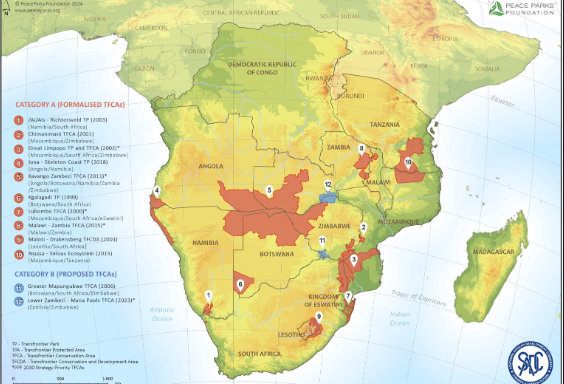
RDG structured investment pathways to accelerate REDD+ project readiness and mobilize climate finance at landscape scale in partnership with Peace Parks Foundation, connecting conservation programming with the financial architecture that lets it scale.
Map: Transfrontier Conservation Areas in Southern Africa. © Peace Parks Foundation, 2024.
 Featured
RDG · Featured project · Neal Spackman
The Al Baydha Project — Regenerative Agriculture in the Saudi Desert
Location: Makkah Province, Saudi Arabia
Years: 2010 – 2018
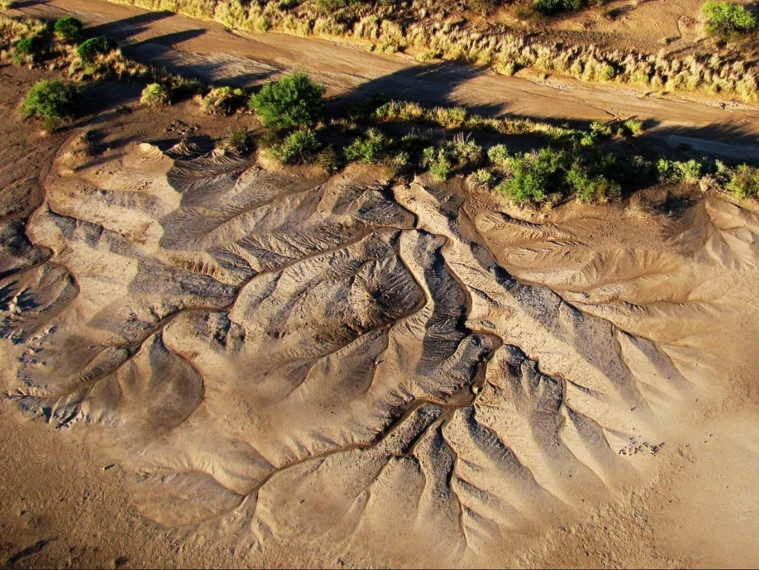
The Al Baydha Project documents the restoration of a hyper-arid Saudi Arabian desert landscape using low-tech, low-cost interventions — earthworks, agroforestry, and native-species planting — to reverse desertification and rebuild soil, water, and biodiversity in a climate that receives only a few centimetres of rainfall a year. Featured here as inspiration for what regenerative land management can achieve in the world’s most degraded landscapes.
Watch: “The Story of Al Baydha: A Regenerative Agriculture in the Saudi Desert” →
RDG · Tammy Tullis
Technical Finance Lead — 1000 Landscapes for 1 Billion People
Location: Mexico · Vietnam · Malawi
Client / partners: 1000 Landscapes for 1 Billion People · Rainforest Alliance · SNV · Mount Mulanje Conservation Trust
Years: 2022 – 2024
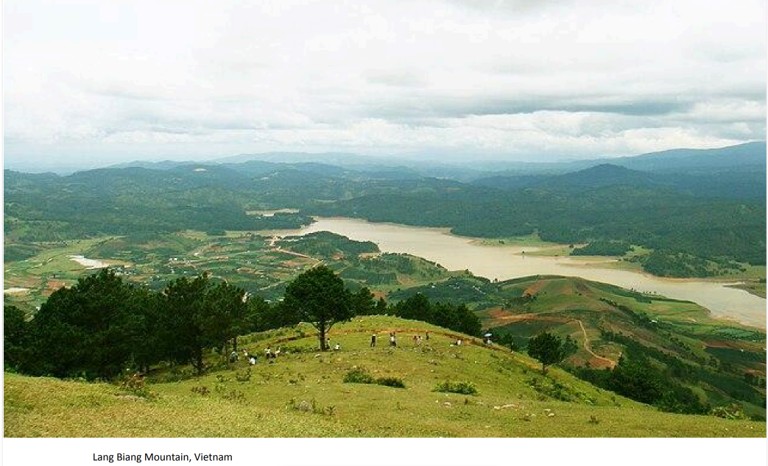
RDG served as the technical finance lead for 1000 Landscapes for 1 Billion People, contributing to the development of the Landscape Finance Accelerator — a bottom-up methodology tested in landscape partnerships in Mexico, Vietnam, and Malawi. The work integrated carbon-readiness, payment for ecosystem services, and conservation trust funds into practical pathways landscape partnerships could actually finance. The engagement culminated in RDG’s publication Landscape Finance Roadmap: Pathways to Mobilize Finance for Sustainable Landscapes (June 2024).
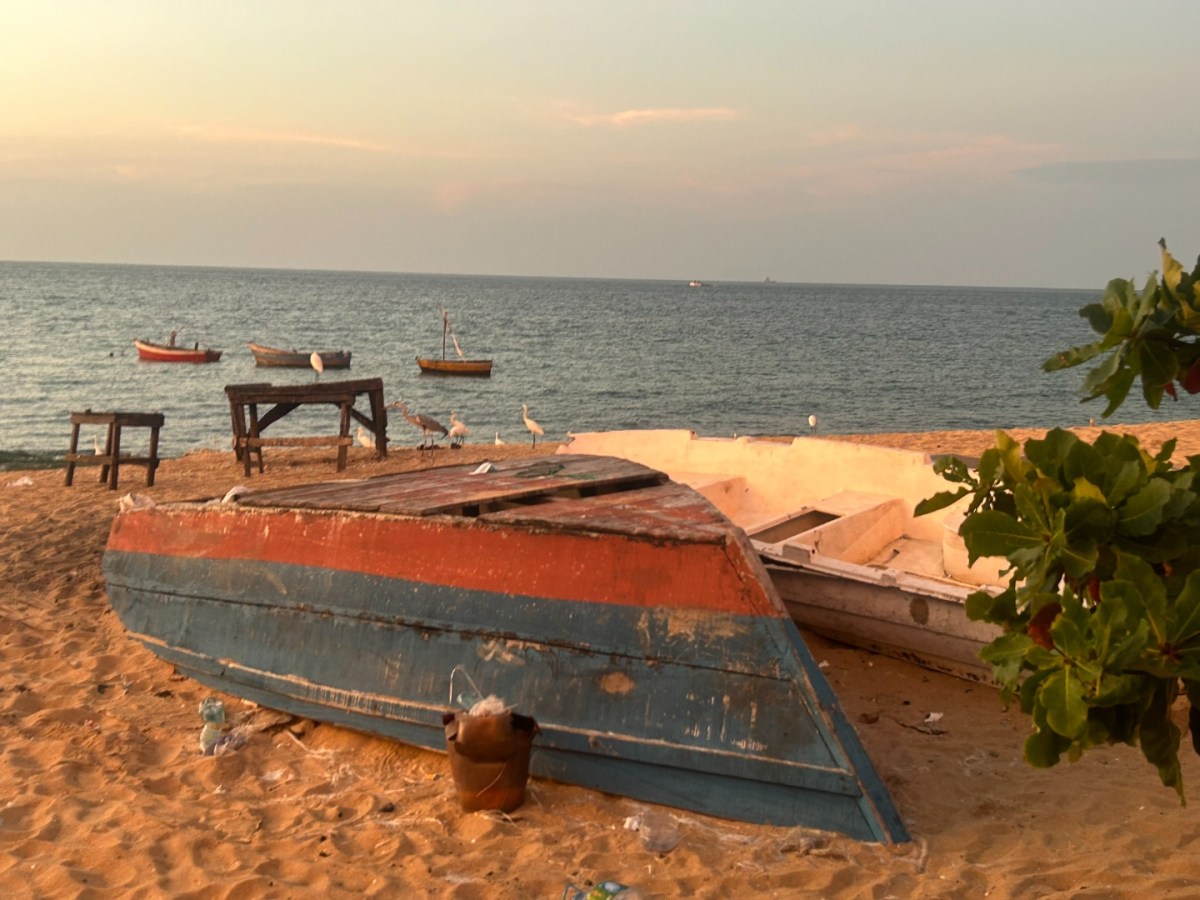
RDG · Tammy Tullis · Glen Hearns, PhD
REDD+, Community Livelihoods, and Circular-Waste ProDoc — Angola
Location: Cubango and Cuando Cubango landscapes; Luanda Province
Client / partners: UNDP Angola · Ministry of Environment (MINAMB)
Year: 2025 – 2026
RDG contributed to the design of Angola’s REDD+, livelihoods, and circular-waste ProDoc, covering national REDD readiness and institutional capacity, priority-landscape work in the Cubango/Cuando Cubango system with at least two pilot communities, and a Luanda circular-economy pilot for community-based waste transfer and recycling. The work sits under UNDP Direct Implementation Modality and integrates MRV, National Forest Monitoring System, and Safeguards Information System scoping with community-scale intervention design.
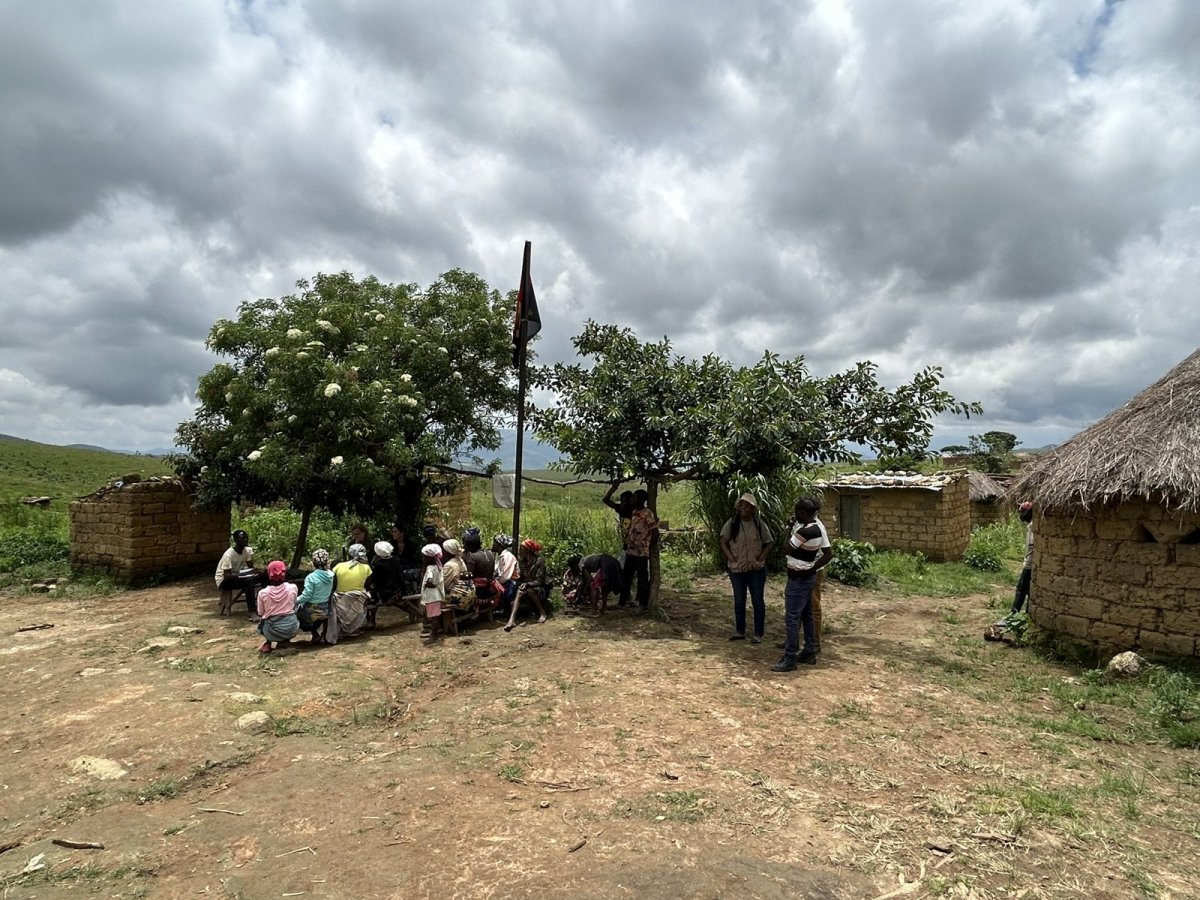
RDG · Tammy Tullis
Mid-Term Review — Sustainable Energy Access for Rural Communities in South-Eastern Angola
Location: Angola (Moxico Province and national)
Client / partners: UNDP · Ministry of Environment · Ministry of Energy and Water · Global Environment Facility
Year: 2026
RDG served as lead and sole evaluator for the UNDP-GEF Mid-Term Review of “Promoting Sustainable Energy Access for Rural Communities in South-Eastern Angola”, a project developing a private sector-led solar technology value chain for off-grid base-of-pyramid households. The review triangulated the project document, Project Implementation Reviews, annual work plans, the results framework, and stakeholder consultations across Angola’s power-sector delivery chain — including the Ministry of Environment, PRODEL, RNT, ENDE, and communities — with field missions in Moxico Province, to assess progress, rate results, and surface implementation risks.
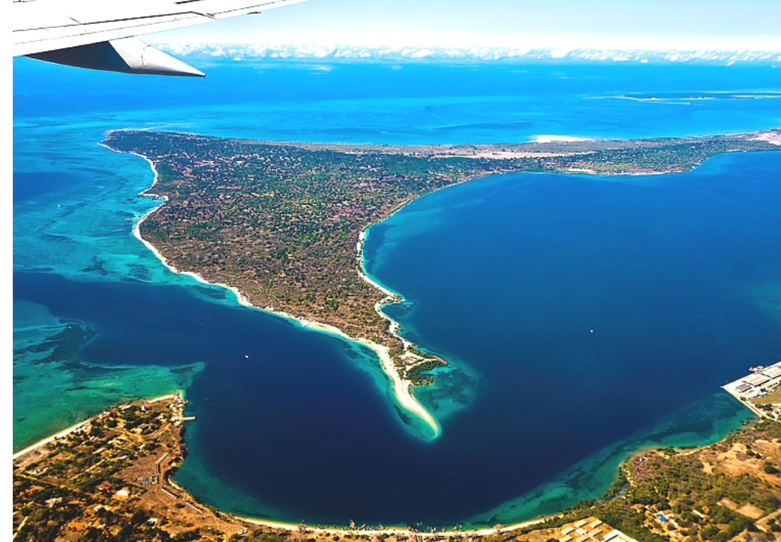
RDG · Tammy Tullis
Tanzania Tourism Sector Support
Location: Tanzania (national and Mtwara Region)
Client / partners: The World Bank · IFC · TATO
Years: 2020 – 2022
RDG designed a concessional loan fund to sustain Tanzania’s tourism operators through the COVID-19 downturn, protecting livelihoods and conservation-linked businesses whose viability underpins landscape-scale conservation. In parallel, RDG assessed Mtwara’s tourism potential and produced a development strategy to guide sector investment and growth, tying tourism revenue to conservation outcomes.
RDG · Juan Albarracin-Jordan, PhD
Sustainable Development and Green Growth Policy Loans — Colombia
Years: 2015 – 2017
Client: The World Bank
Policy-level strategic environmental and social assessment for Colombia’s First and Second Sustainable Development and Green Growth Development Policy Loans. Juan assessed effects on forests, natural resources, and climate across policy actions on pollution control, renewable energy, transport, environmental health, disaster risk, and solid waste, and recommended policy and institutional-strengthening measures. The series included the largest World Bank DPL granted to Colombia (2018).
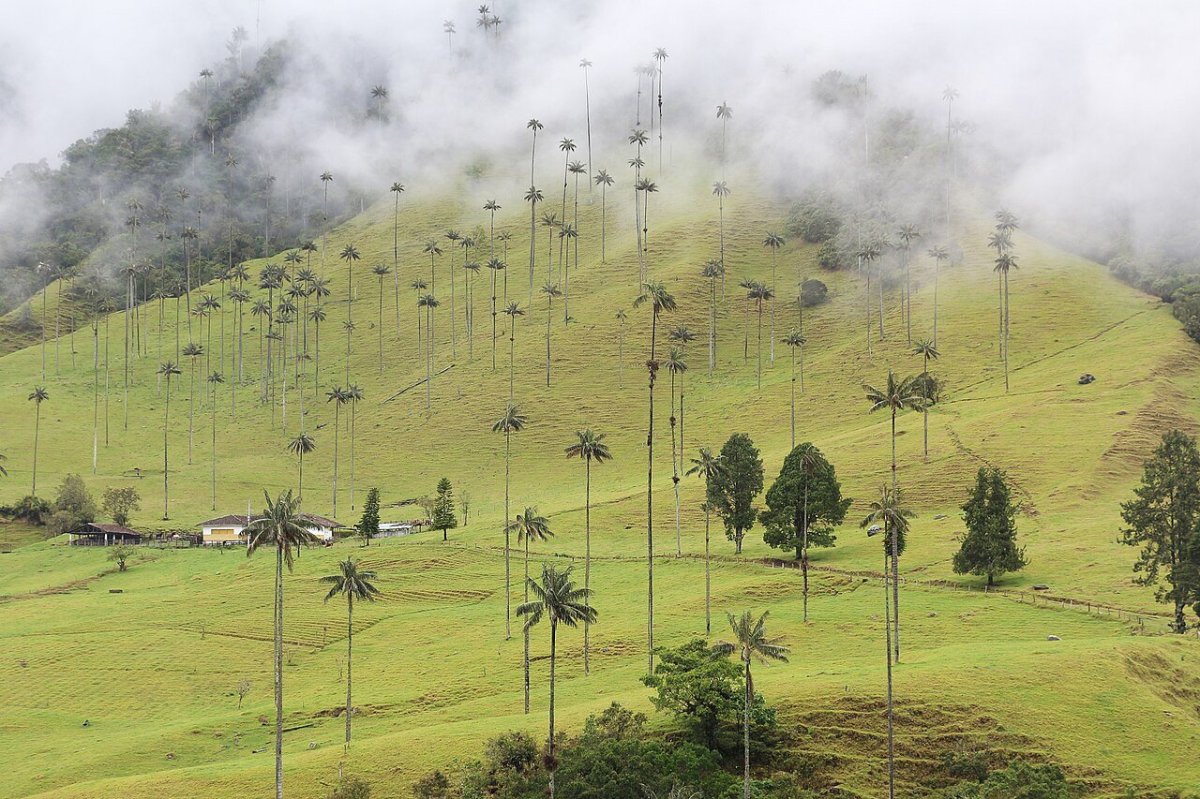
Illustrative photo: Cocora Valley, Colombia. Bernard Gagnon, CC BY-SA 4.0, via Wikimedia Commons.
RDG · Glen Hearns, PhD
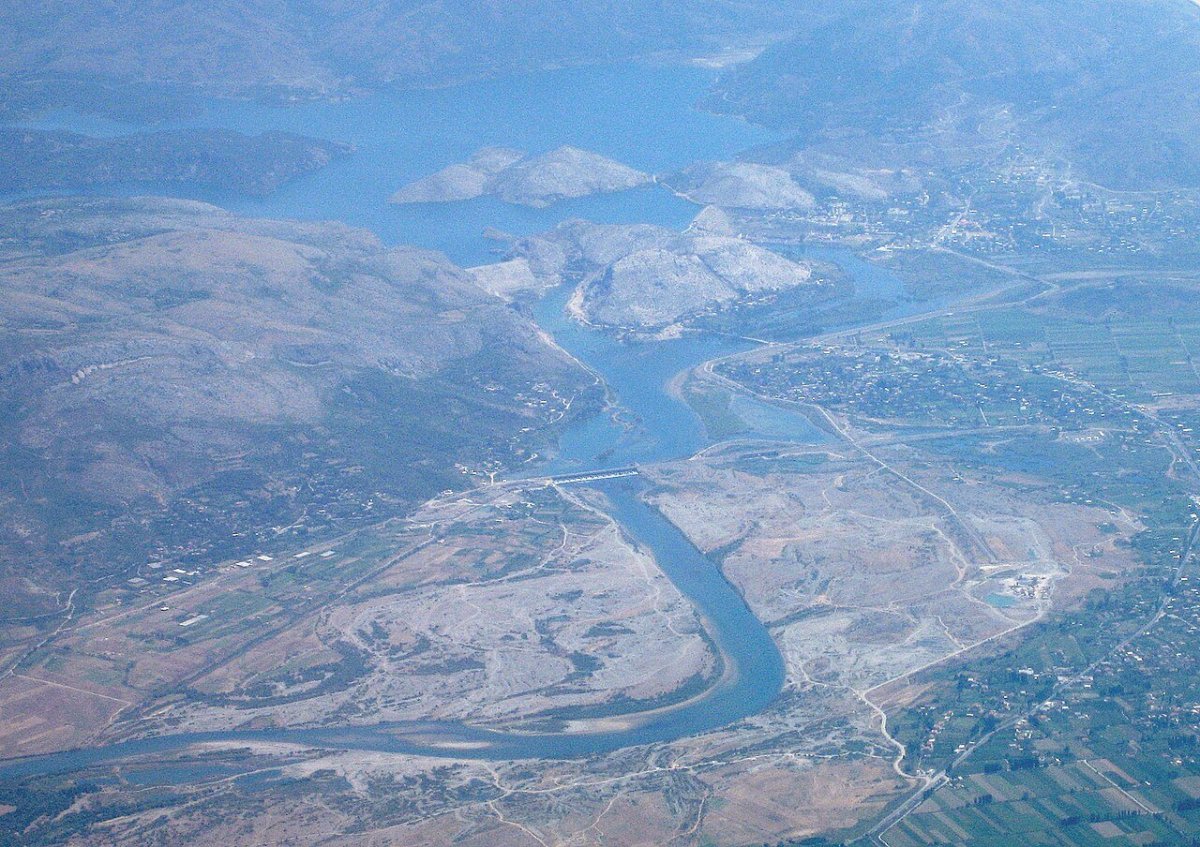
Mid-Term Review — Extended Drin River Basin
Year: 2019
Client / partners: GEF · UNDP · GWP-Med
Countries: Albania · Kosovo · North Macedonia · Montenegro
Mid-term review of the GEF-funded project “Enabling transboundary cooperation and integrated water resources management in the White Drin and extended Drin Basin”, a USD 226 million programme including co-financing. Glen interviewed 27 stakeholders across ministries, municipalities, power producers, academia, and NGOs, and set out lessons learned and recommendations for completing the project.
Illustrative photo: Drin River at Vau i Dejës, Albania. Albinfo, public domain, via Wikimedia Commons.
/ WHERE WE’VE WORKED
24 countries across Africa, the Americas, Europe, the Middle East, and Asia.
/ LET’S MAKE AN IMPACT TOGETHER
Working on a program, fund, or enterprise that needs financial architecture to match its ambition?
Tell us about your project — we’d like to hear from you.


